
Smile Design
& Porcelain Veneers in Malabar Hill, Mumbai
A considered, minimally invasive approach to changing the shape, shade and symmetry of the smile — designed around your face, not a template.
8 min readUpdated 28 October 2026Malabar Hill, Mumbai

Minimal-preparation porcelain designed tooth by tooth.
Face-led
Proportions planned around you
Material-aware
Ceramic chosen for the case
Test first
Preview before irreversible work
Aesthetic dentistry with a diagnosis underneath
The short answer
Smile design is a planning process that coordinates the shape, shade, proportion and alignment of the front teeth with the face. Porcelain veneers are thin ceramic restorations bonded to the front of selected teeth. They can be highly aesthetic and conservative when the enamel and bite are suitable, but they are not reversible and are not the right choice for every smile. A consultation, photographs and a digital or trial design are used to decide.
Smile design is not a single product. It is the process of deciding what should change — and what should not — before any tooth is prepared. The shape of the teeth, the smile line, the gums, the lips and the way the teeth meet all influence the result.
Porcelain veneers are thin ceramic shells bonded to the front surface of teeth. Modern adhesive dentistry can preserve more enamel than older full-crown techniques, but veneers still involve removing a small amount of tooth structure and are not fully reversible. Composite bonding is an alternative for some cases; aligners may be more appropriate when the main issue is position rather than shape.
At Smile Clinique, the first conversation is about the goal, the limits and the trade-offs. A beautiful result that ignores the bite, the gums or the long-term maintenance plan is not a good result. The plan should be able to explain why each tooth is being changed.
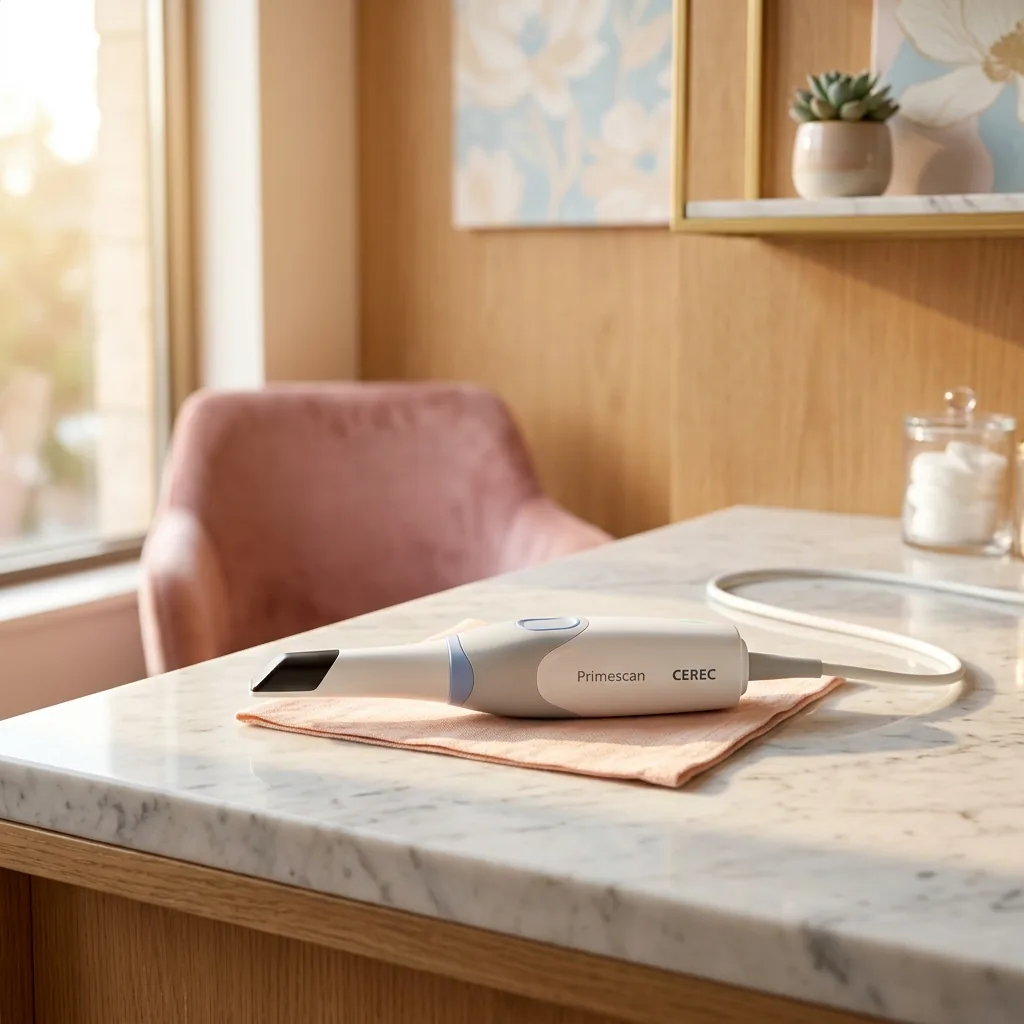
Records first: photographs, scans and bite analysis inform the plan.

Clinical guidance
Dr. Nidhi Mehta, BDS
Founder, Smile Clinique
What smile design can address
Stubborn discolouration
Intrinsic staining or old restorations that do not respond well to whitening alone.
Chipped or worn edges
Small fractures, flat incisal edges or uneven length that affect the smile line.
Gaps and asymmetry
Spacing, a rotated tooth or a smile that looks off-centre — sometimes best solved with aligners first.
Old bonding or crowns
Restorations that have stained, lost their shape or no longer match the neighbouring teeth.
Proportions that feel off
Short, square or disproportionately wide teeth that dominate the face or the smile.
A gummy or uneven smile line
Gum contour and tooth display are assessed together rather than treated in isolation.
A good fit if you are
- Adults with healthy teeth and gums who want a planned aesthetic change
- Patients with chipped, worn or discoloured front teeth
- People who want a preview before committing to ceramic work
- Cases where alignment, whitening and bonding have been considered first
Not the right starting point if
- Active gum disease, untreated decay or a unstable bite
- Severe crowding that would be better treated with orthodontics
- Anyone expecting a zero-preparation, fully reversible result in every case
This list is a guide, not a diagnosis. Suitability is confirmed only after an in-person examination.
Not every smile needs veneers
The least invasive option that reliably meets the goal is usually the best option. These are the main routes we consider.
Porcelain veneers
Best for · Shape, shade and proportion changes on selected front teeth
Thin ceramic bonded to the front of the tooth. Excellent for colour stability and surface detail when enamel bonding is favourable.
Composite bonding
Best for · Small chips, edges and conservative changes
Direct resin can be sculpted and polished in one visit, with minimal or no drilling. It is more stain-prone and may need periodic refresh.
Professional whitening
Best for · Healthy teeth with extrinsic or mild intrinsic staining
A supervised whitening plan can change shade without removing tooth structure. Existing restorations will not whiten.
Aligner-first smile design
Best for · Crowding, spacing or rotation before cosmetic work
Moving teeth into a better position can reduce how much drilling and ceramic are needed for the final result.
From consultation to final bond
The best aesthetic work is planned backwards from the face, then tested before the final ceramic is made.
Consultation and smile analysis
We listen to what you want changed, examine the teeth and gums, review the bite and take photographs. We also discuss what should stay the same.
Digital design and mock-up
A digital plan or physical mock-up helps you preview shape and proportion. It is a communication tool, not a guarantee, and it can be adjusted.
Preparation, only if needed
Where veneers are chosen, the amount of enamel removal is kept as conservative as the case allows. Some cases need more preparation than others.
Provisional and laboratory phase
Provisionals let you test speech, comfort and appearance. Shade, translucency and surface texture are communicated to the laboratory.
Bonding and review
The final veneers are tried in, checked for fit and bite, then bonded. You receive cleaning and maintenance instructions and a review appointment.
What the literature actually says
Ceramic veneers are among the best-studied aesthetic restorations. The evidence is encouraging, but it also shows why case selection and bonding substrate matter: veneers bonded to enamel perform better than those bonded to exposed dentine.
How to read this
Survival is not the same as success. A restoration or implant can remain in place while needing repair, hygiene treatment or replacement. The figures below are population averages, not personal guarantees.
95.5%
10-year veneer survival
A 2021 systematic review of 25 studies and about 6,500 porcelain laminate veneers estimated 95.5% cumulative survival at 10 years when fracture, debonding, caries and endodontic failure were counted as failures.
99%
Survival when bonded to enamel
A 2024 meta-analysis found almost perfect survival for ceramic veneers bonded to enamel, with lower survival and success when bonding involved composite or severely exposed dentine.
96.8%
10-year survival for lithium disilicate
A 2024 systematic review and meta-analysis reported a pooled 10.4-year survival of 96.81% for lithium-disilicate laminate veneers, with lower long-term complication rates than feldspathic or leucite-reinforced ceramics.
Material matters
Not all ceramics behave the same
The same 2024 review found differences in technical, aesthetic and biological complication rates between ceramic families, supporting case-specific material selection rather than a single default.
Survival is not the same as success. A veneer can remain on the tooth while needing repair, replacement or gum treatment. Bonding to enamel, a stable bite, good hygiene and a night guard where indicated all influence how long the result lasts.
Selected sources
Alenezi et al., Journal of Clinical Medicine (2021)
Systematic review of long-term survival and complications of porcelain laminate veneers.
Klein et al., Clinical Oral Investigations (2024)
Systematic review and meta-analysis of ceramic laminate veneers by material.
Alqutaibi et al., Journal of Prosthetic Dentistry (2024)
Meta-analysis of veneer survival and success by bonding substrate.
Layton et al., Journal of Prosthetic Dentistry (2012)
Systematic review and meta-analysis of feldspathic porcelain veneer survival.
The difference is in the planning
A plan for the whole smile
Shape, shade, gum line and bite are considered together rather than changing one tooth at a time.
Conservative where possible
Alignment and whitening are considered before drilling; veneer preparation is kept as minimal as the case allows.
Preview before commitment
Digital design and mock-ups help you understand the direction before irreversible treatment begins.
Colour stability
Ceramic resists everyday staining better than direct composite, which can be useful for long-term aesthetic predictability.
Tools that support judgement
Digital photography
Standardised photographs make smile analysis and shade communication more precise.
Intraoral scanning
Digital impressions improve comfort and allow the laboratory to work from an accurate model.
Trial smile and provisionals
A temporary version lets you test the proposed change in your own mouth before final bonding.
Shade and texture matching
Translucency, surface texture and characterisation are planned with the laboratory, not chosen from a single shade tab.
Design, preview, refine
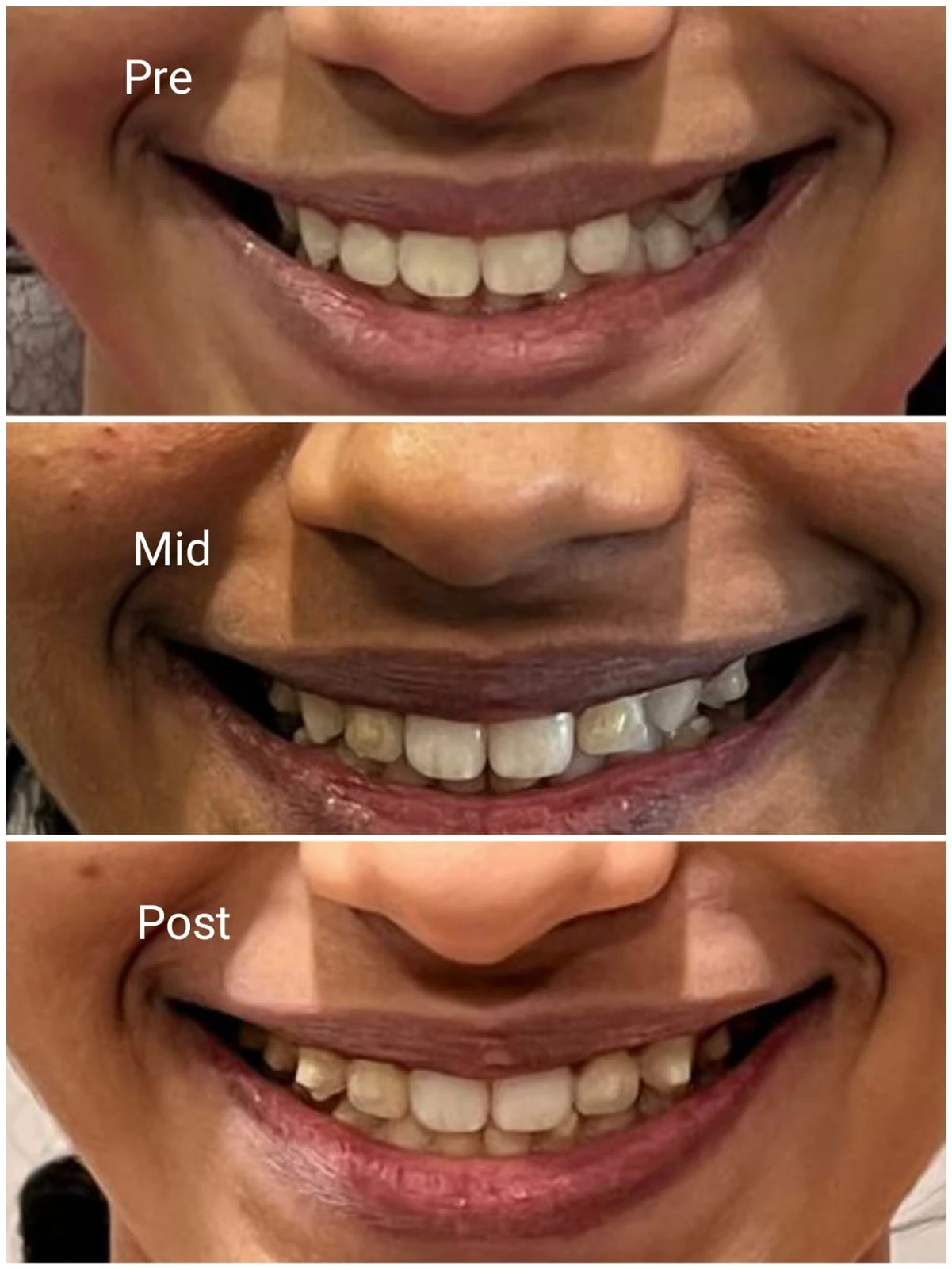
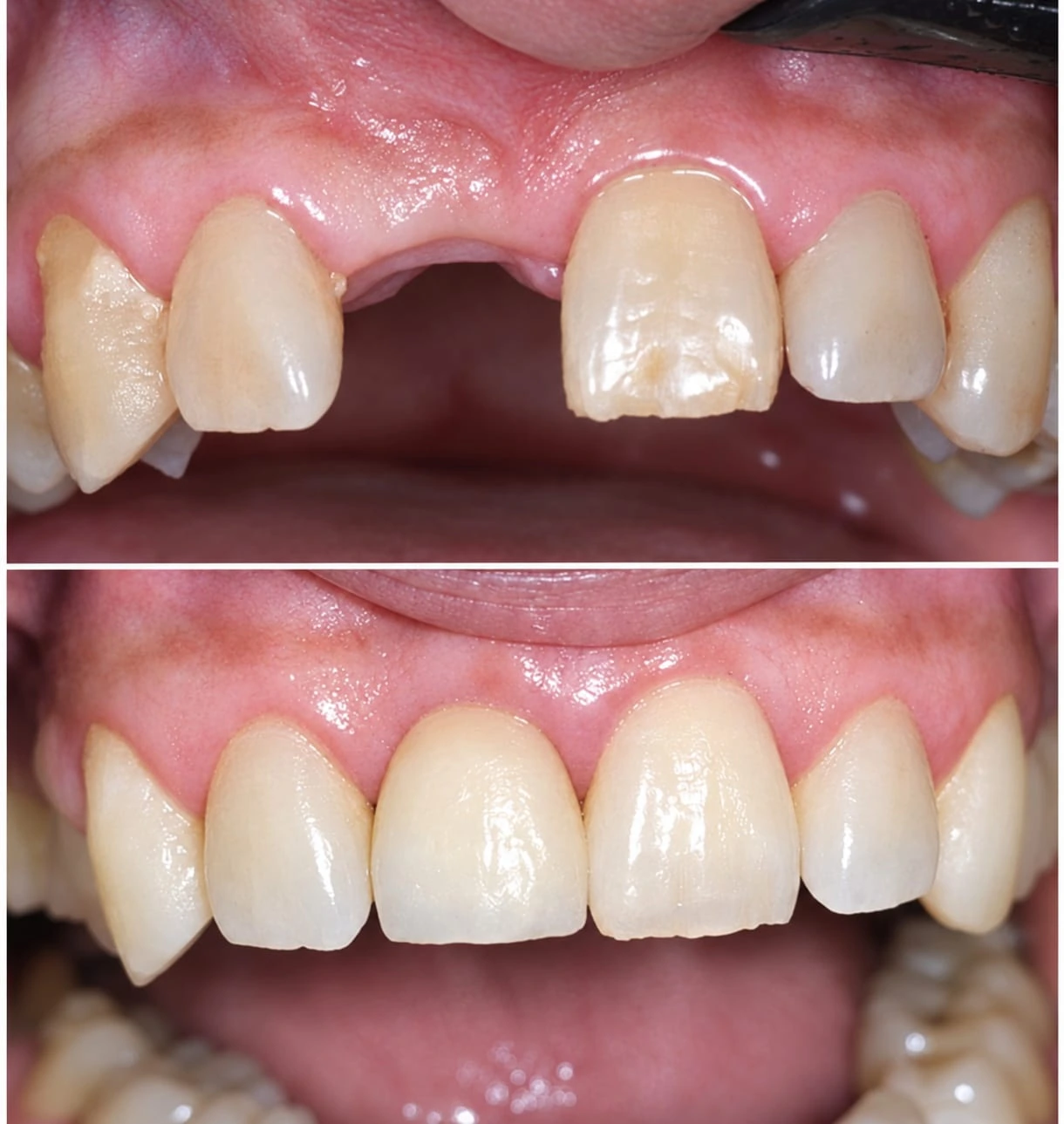
Representative clinical imagery from the smile design and ceramic workflow. Individual results vary.
Records first: photographs, scans and bite analysis inform the plan.
Enamel-preserving design where the clinical situation allows.
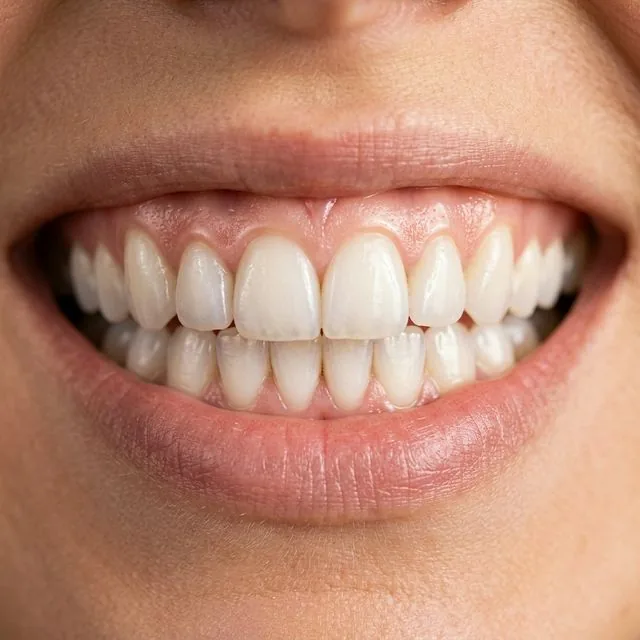
The goal is a smile that fits the face, not a template.
Protect the result, not just the visit
The first week
- Mild sensitivity to cold is common and usually settles.
- Avoid biting hard foods with the front teeth while you adjust.
- Report any bite high spot or persistent discomfort.
Daily care
- Brush gently with a soft brush and non-abrasive toothpaste.
- Clean between the teeth; veneer margins need the same attention as natural enamel.
- Limit frequent acidic drinks and avoid chewing ice, pens or nails.
Protecting ceramics
- If you grind or clench, a night guard is strongly considered.
- Wear a mouth guard for contact sport.
- Do not use the front teeth as tools.
Reviews
- Keep hygiene visits so margins, gums and bite can be checked.
- Have chips or looseness assessed early.
- Professional whitening may be needed for untreated teeth over time; veneers do not change shade.
Risks and honest limitations
- Sensitivity after preparation or bonding.
- Chipping, fracture or debonding of ceramic, especially with grinding or biting hard objects.
- Irreversible removal of some enamel; veneers are not a reversible treatment.
- Shade mismatch or a result that does not meet expectations if the plan is rushed.
- Gum inflammation or recession around margins if hygiene is poor.
- The need to replace or repair a veneer at some point; no restoration lasts forever.
Important
This page is educational and does not replace a clinical examination. Every treatment carries risks, and not every patient is a candidate. Ask questions, request a written plan, and seek a second opinion if you need one.
What changes the cost of smile design in Mumbai
The price of a smile makeover is driven by how many teeth are involved, the material, the laboratory work and whether alignment, gum treatment or bite correction is needed first.
What a good quote should include
A quote should state the number of units, the material, the laboratory, the provisional phase and what happens if a veneer needs adjustment. Comparing a per-tooth price without knowing the material and inclusions can be misleading.
Request a written planWhat changes the price
Number of veneers, crowns or bonded teeth
Ceramic material and laboratory complexity
Whether aligners or whitening are needed first
Gum contouring or periodontal treatment
Trial smile, provisionals and review visits
Replacement of old crowns, fillings or bonding
Prices are not listed on this page because a responsible quote depends on your examination, imaging and the final plan. Ask for an itemised estimate in writing.
A Malabar Hill practice, close to home
Smile Clinique is a boutique dental practice at G 3, Akashdeep Building, Dongersi Road. Patients travel from Malabar Hill and across South Mumbai for treatment planning that takes the time to explain the why, not just the what.
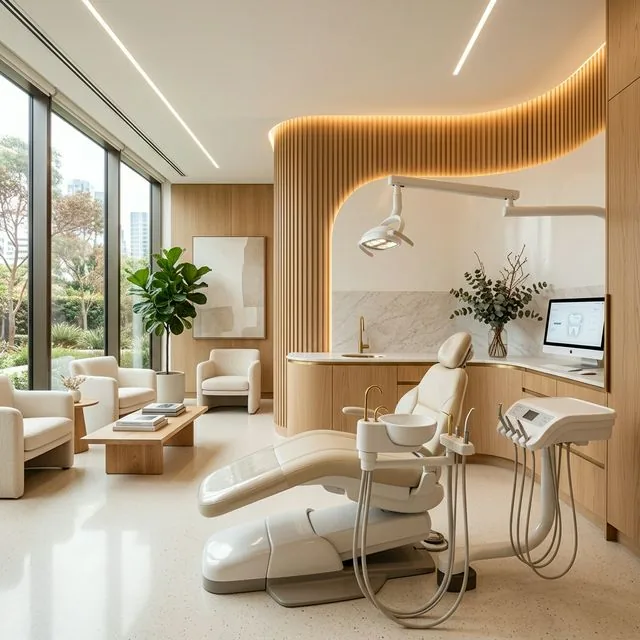
The sanctuary
G 3, Akashdeep Building, Dongersi Road, Malabar Hill, Mumbai - 400006
Mon–Sat · 9 AM–1 PM & 4 PM–7 PM
Clear answers before you commit
These are the questions patients ask most often. If yours is not here, call the clinic or ask at your consultation.
Are porcelain veneers permanent?
No restoration is permanent. Veneers are long-lasting but require maintenance, and the preparation of enamel is irreversible. Published studies report high 10-year survival, but individual results depend on the bite, hygiene, grinding and material.
Do veneers always require drilling?
Not always, but many cases require some enamel removal to create space for the ceramic. The amount depends on the existing tooth position, thickness and the planned change. A no-preparation claim should be treated cautiously unless your own case has been assessed.
Veneers or composite bonding?
Composite is usually more conservative and can be done in one visit, but it can stain and may need polishing or replacement sooner. Ceramic offers better colour stability and surface detail but usually costs more and is less reversible. The right choice depends on the tooth and the goal.
Can veneers fix crooked teeth?
Veneers can change the appearance of mildly rotated teeth, but they do not correct the underlying position. Severe crowding may be better treated with aligners or braces first. Masking position with ceramic can require more tooth removal and may not be in the tooth's long-term interest.
Will my veneers look too white?
That is a planning decision. Shade is selected with your age, skin tone, eye colour and the neighbouring teeth in mind. A natural result often has subtle variation rather than one uniform white.
How long do veneers last?
Systematic reviews report roughly 95% survival at 10 years for porcelain laminate veneers, with variation by material and bonding substrate. Many veneers last longer, but chips, debonding and gum changes can require repair.
Can I whiten my teeth instead?
If the main concern is shade and the teeth are healthy, whitening may be enough. Whitening does not change the shape of teeth and does not whiten existing crowns or veneers. A consultation can compare the options honestly.
Do you use digital smile design?
Yes. Photographs and digital planning are used to discuss proportions and possible changes. A digital preview is a communication tool; it is not a guarantee of the final result.
Is the treatment painful?
Most visits are comfortable with local anaesthesia. Some patients experience temporary sensitivity after preparation or bonding. Anxiety and comfort needs are discussed before treatment.
Where is Smile Clinique?
Smile Clinique is at G 3, Akashdeep Building, Dongersi Road, Malabar Hill, Mumbai - 400006. Patients travel from Malabar Hill, Walkeshwar, Cumballa Hill, Peddar Road, Kemps Corner, Breach Candy, Tardeo, Colaba and wider Mumbai. Call +91 98206 27550 to book.
Related treatments
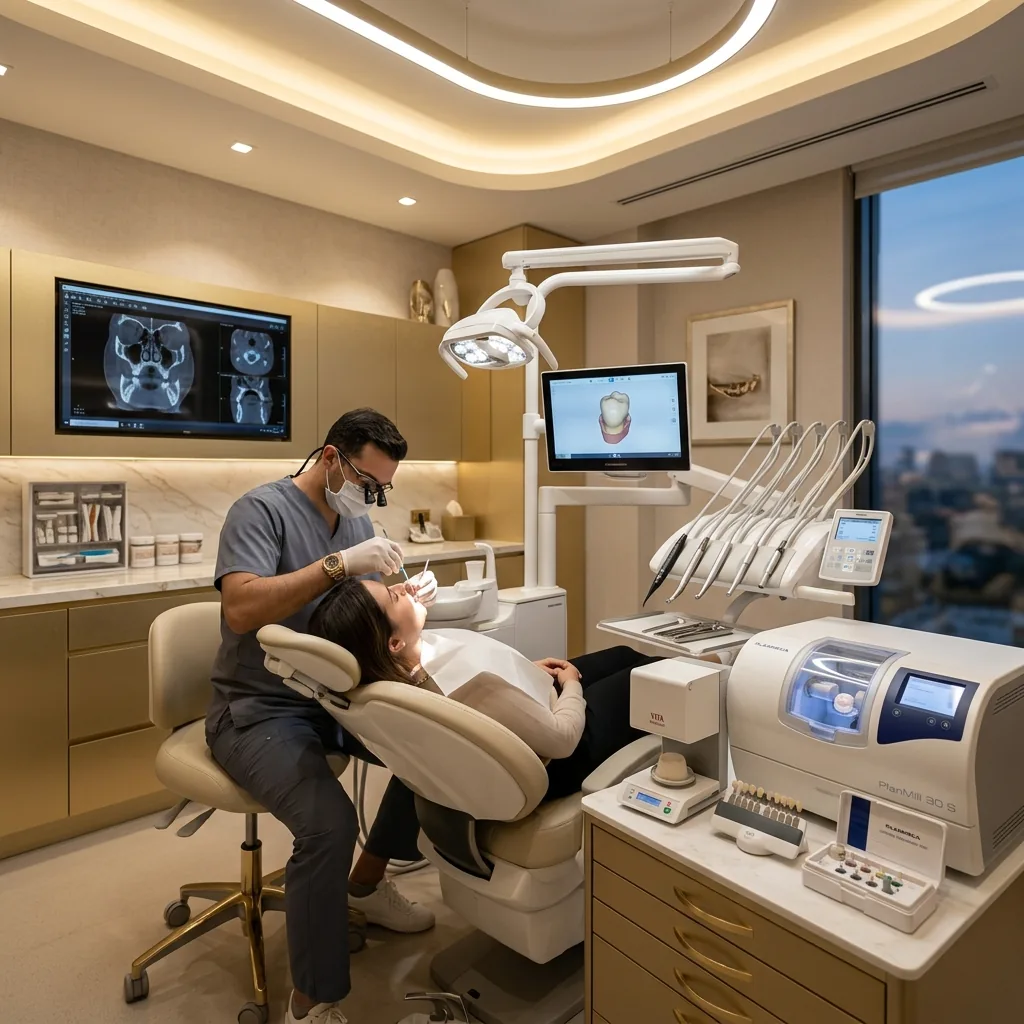
Your next step
Design the smile. Keep the character.
Book a smile design consultation at Smile Clinique in Malabar Hill, Mumbai, and start with a diagnosis rather than a template.
G 3, Akashdeep Building, Dongersi Road, Malabar Hill, Mumbai - 400006
Mon–Sat · 9 AM–1 PM & 4 PM–7 PM
Educational content only. It is not a substitute for a clinical examination, diagnosis or personalised treatment plan. Treatment suitability and results vary between individuals.
All treatments